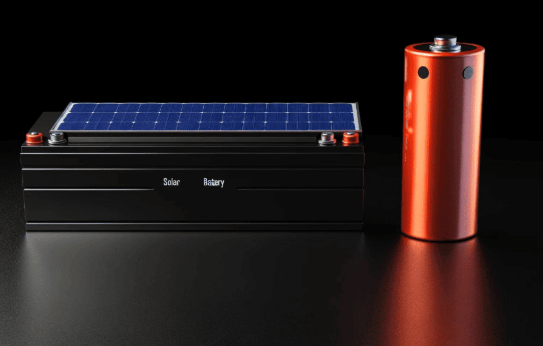
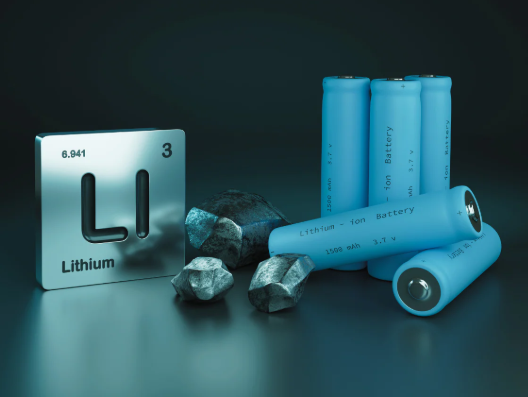
Solar and inverter batteries store DC electricity either from solar panels or from the grid so it can be used later when needed — especially during power cuts or at night. They’re a core component of home backup systems and solar setups.
Solar Battery vs Normal Inverter Battery:-
Solar batteries are designed for deep discharge and frequent cycling (charging/discharging) typical in solar systems.
Regular inverter batteries are often optimized just for occasional power backup. Lithium types are longer lasting and faster charging but cost more upfront; lead-acid options are cheaper but heavier and need more maintenance.
⚡🔋🌱
⚡ Main Types of Batteries
🔋 Lead-Acid Batteries
Tubular and Tall Tubular types are most popular for home solar/inverter use.
Robust for deep cycling but heavier and shorter life (~3–5 yrs).
Good choice if you want budget-friendly storage.
🔋 Lithium-Ion / LiFePO₄ Batteries
Higher efficiency, longer lifespan, lighter weight, and lower maintenance.
Excellent for solar systems and hybrid inverters, with longer useful life (~8–12 yrs or more).
Higher upfront cost but better lifetime value.
🧠 How to Choose the Right Battery
✔ Capacity (Ah / kWh) – Higher Ah or kWh means more backup time. ✔ Technology – Lithium for longer life and frequent use; lead-acid for budget. ✔ Compatibility with inverter/solar charger – Batteries must be compatible with inverter voltage and charger type. ✔ Warranty & after-sales support – Important for long-term reliability.
💡 Example: A 150 Ah tubular lead-acid battery is common for basic household backup, while 12.8 V LiFePO₄ (100 Ah) is a compact yet long-lasting option.
🛡️ Tips for Installation & Use
✔ Install batteries in a cool, ventilated area. ✔ Use a proper solar charge controller / MPPT with solar systems. ✔ Avoid running high-power appliances (like geysers or microwaves) on small inverters — it can drain batteries fast. ✔ Keep battery terminals clean and check water levels (for lead-acid) regularly.
If you tell me your power needs (in watts) and backup time you want (in hours), I can suggest an ideal battery capacity and inverter size combo for your home!